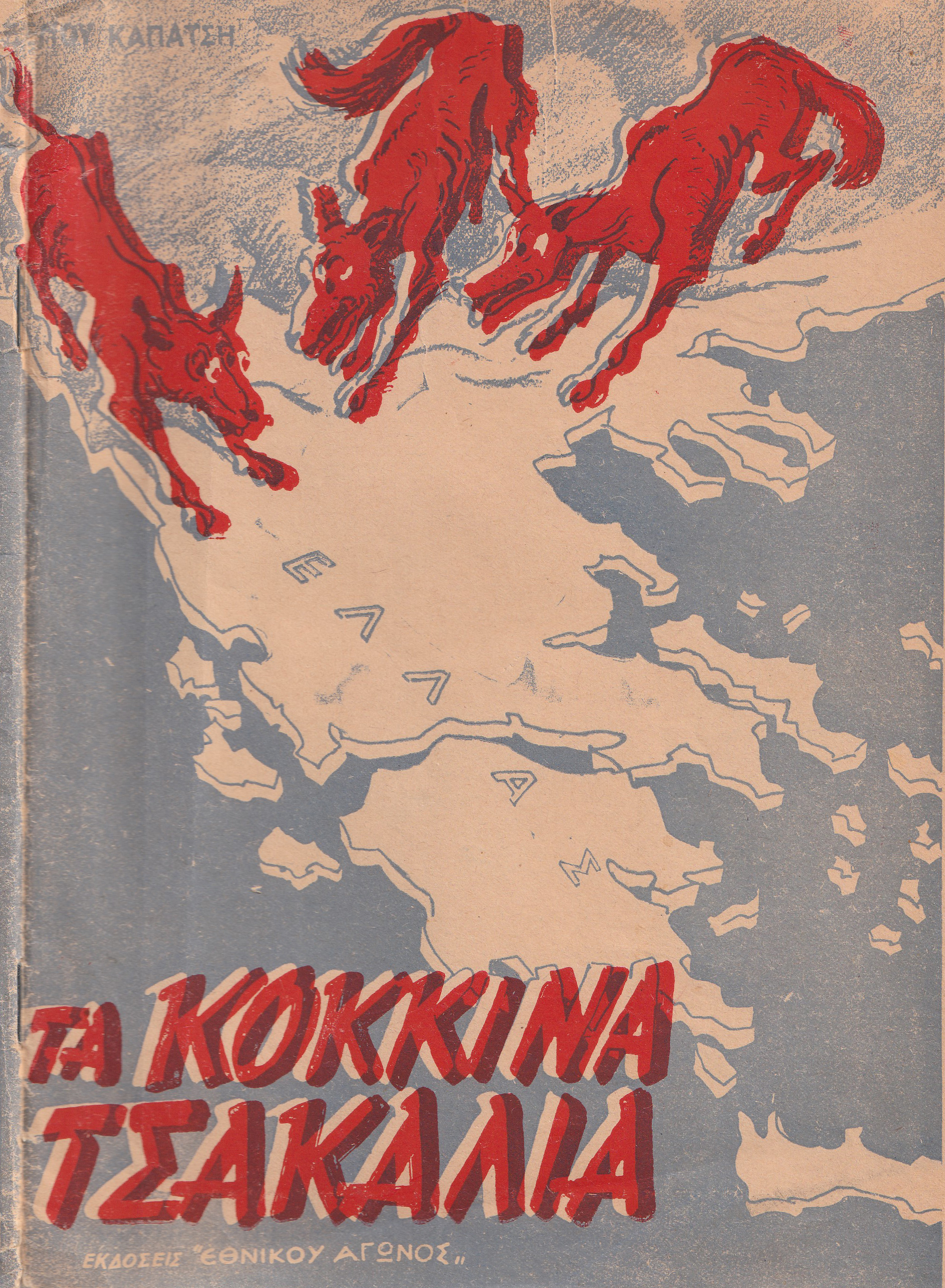




Greek interest in Spanish affairs intensified after April 1931, when the Second Spanish Republic was established. What followed was a short tale of parallel lives. The Second Greek Republic had been set up in 1924 and the republicans in Greece called their monarchist opponents to draw the inescapable conclusions from Spain. The monarchist press retorted that ‘we speak Greco-Spanish these days’ and that the real beneficiary in Spain was Moscow.
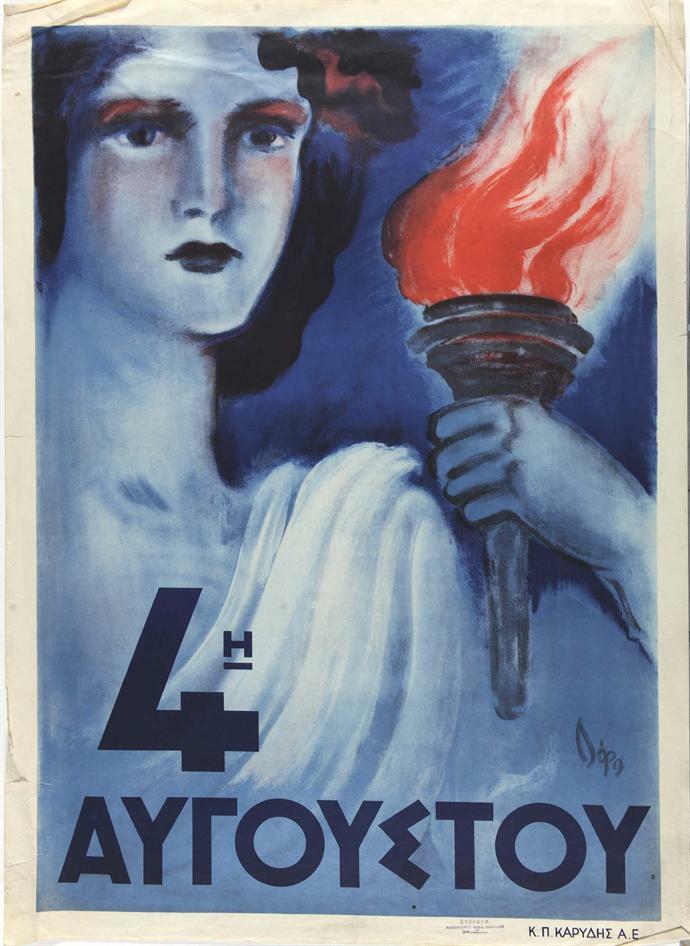
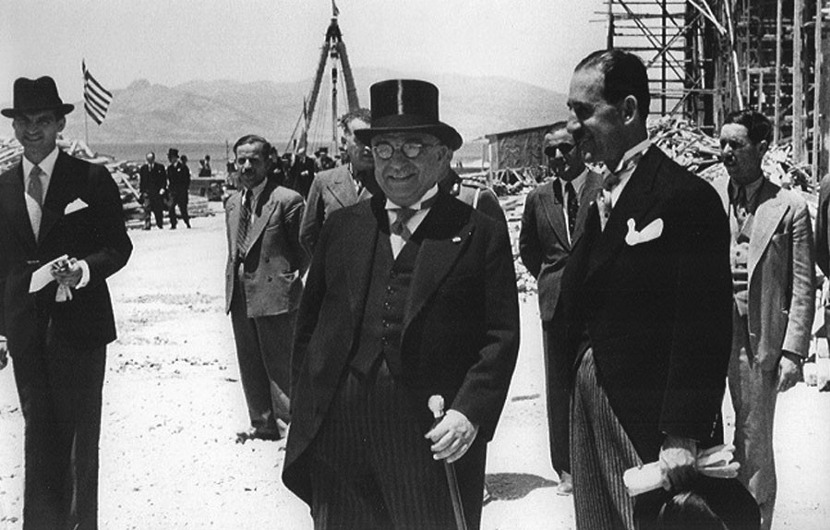
In the spring and summer 1936 widespread agrarian and labour unrest, political deadlock and the increased activity of the Communist Party of Greece (KKE) provided king George II and retired general Ioannis Metaxas, whom the king had appointed to the premiership in April, with a pretext to establish the dictatorship of ‘the 4th August’. As this occurred two weeks after the outbreak of civil war in Spain, some Greek liberals noted that ‘the fear of communism by the bourgeois classes and the events of Spain made many prefer to lose their liberties rather than their money’.
After August 1936 the Spanish Civil War provided the Greek dictator with an opportunity to justify his actions retrospectively. Ideologically the Metaxas regime sympathized with the cause of the military rebels, but strategic and economic considerations forced restrain in the manifestation of its leaning.
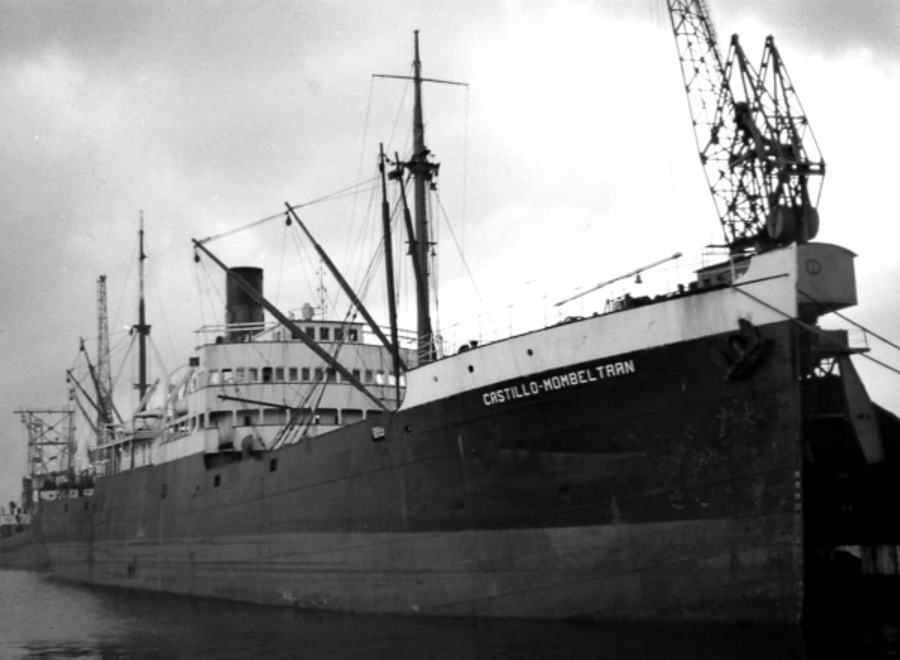
Italian designs at both ends of the Mediterranean complicated Greek foreign policy, while the drastic reduction in the influx of foreign capital and the sharp drop in earnings from exports during the Depression forced Greek governments towards the search for rebuilding foreign exchange reserves. The Spanish Civil War was an opportunity and was seized at once. Despite the Metaxas government having signed the Non-Intervention Agreement, Greek merchant ships and the Greek Powder and Cartridge Company of Prodromos Bodosakis-Athanasiadis proved very accommodating in supplying war matériel to both sides in Spain, though more to the Republicans.
TDS